
By Marketing Team, United Plumbing LLC
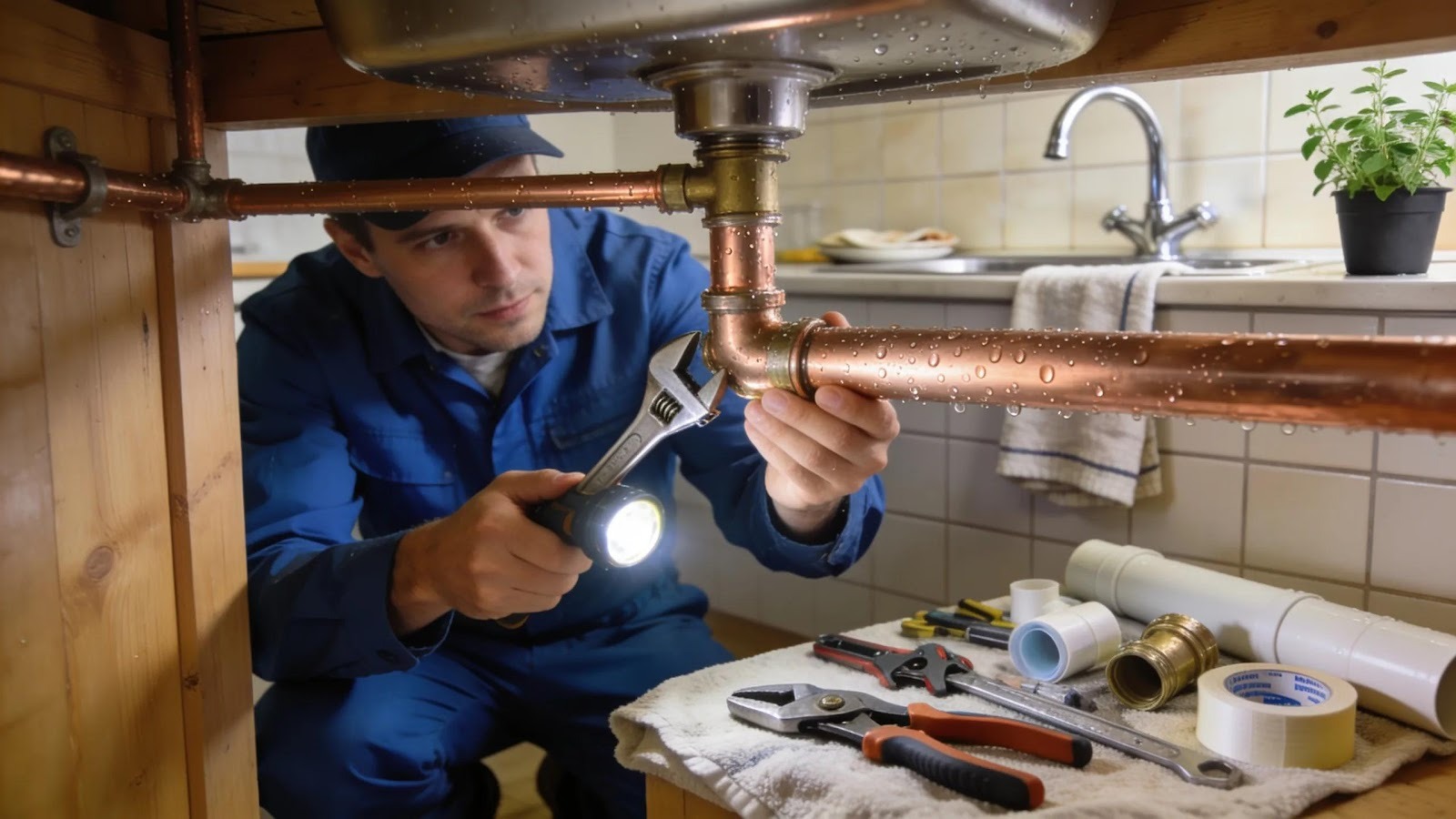
Plumbing problems left unchecked cause damage and costly repairs. This guide highlights the main warning signs—leaks and water pressure problems—and explains why prompt professional inspection preserves your plumbing and home.
Many homeowners notice leaks or fluctuating pressure without knowing the cause. Below we explain how to spot issues, when to call a plumber, emergency responses, and basic prevention steps to reduce future risk.
Recognizing Plumbing Leak Detection Issues
Spot leaks early to limit water damage and structural decay. Look for water stains, mould, or unexplained dampness in walls or ceilings; early detection reduces repair scope and cost.
Professional firms, including services like those offered by United Plumbing LLC, use specialised methods to locate visible and hidden leaks behind walls or under floors. Prompt professional attention is important to prevent structural harm.
Water Pressure Problems
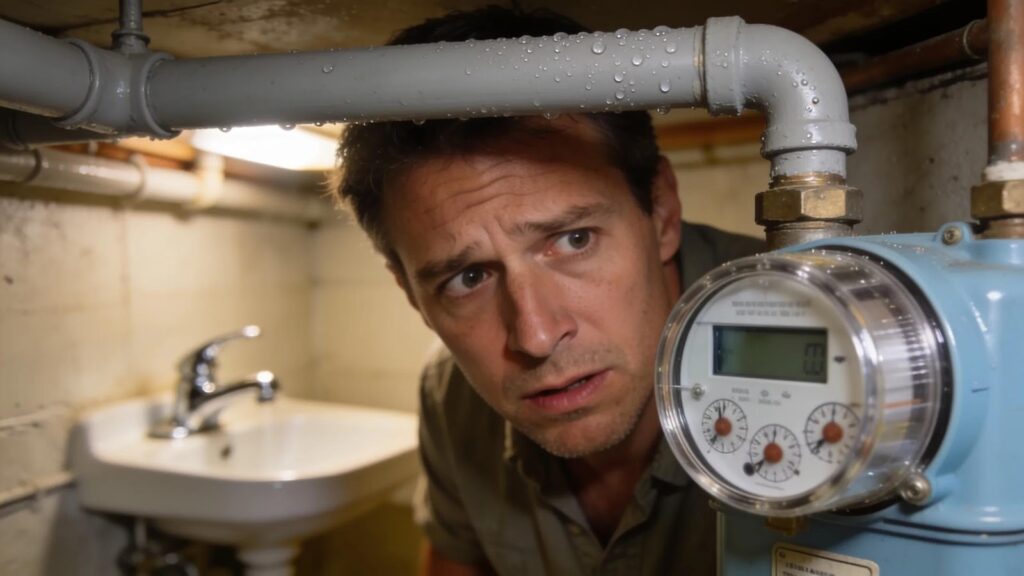
Changes in pressure often point to blockages, mineral buildup, or leaks. Identifying the root cause is necessary to apply an effective fix.
- Persistent Low Pressure: Consistent low pressure across multiple fixtures usually indicates a systemic issue requiring professional diagnosis.
- Mineral Buildup: Hard-water deposits can restrict flow; scheduled inspections and descaling help prevent problems.
- Leak Indicators: Sudden pressure drops may signal a hidden leak—early detection avoids greater damage and expense.
Signs of Water Pressure Issues in Residential Plumbing
Common indicators include rising water bills, inconsistent pressure when multiple fixtures run, or weak flow at taps.
- Unexplained Water Bill Increases: Higher bills can indicate leaks or inefficiencies.
- Fluctuating Pressure: Varying pressure with other fixtures in use suggests an underlying fault.
- Weak Flow: Persistently weak taps point to blockages or leaks requiring professional evaluation.
Spotting these signs early lets you schedule service before problems escalate.
Common Causes That Lead to Slow Draining Sinks and How to Recognize Them
Slow drains typically arise from a few common causes; identifying them helps decide whether a DIY fix or professional cleaning is needed.
- Debris Buildup: Hair, grease, and organic matter restrict flow—regular cleaning helps.
- Tree Root Intrusion: Roots can invade underground pipes, causing severe blockages.
- Need for Professional Drain Cleaning: Persistent slow draining after basic cleaning usually requires professional equipment to clear hidden blockages.
When Is It Crucial to Call a Professional for Hidden Plumbing Damage Symptoms?
Call a professional when signs suggest hidden or systemic damage to prevent small faults from becoming major repairs.
- Visible Water Damage: Stains or warped wood often indicate concealed leaks needing prompt attention.
- Frequent Repairs: Repeated fixes suggest an underlying problem that requires a full professional assessment.
- Monitoring Water Bills: A sudden bill increase over a short period may signal a significant leak.
Timely action reduces property damage and repair costs.
What Are Typical Hidden Plumbing Pipe Issues That Require Expert Repair?
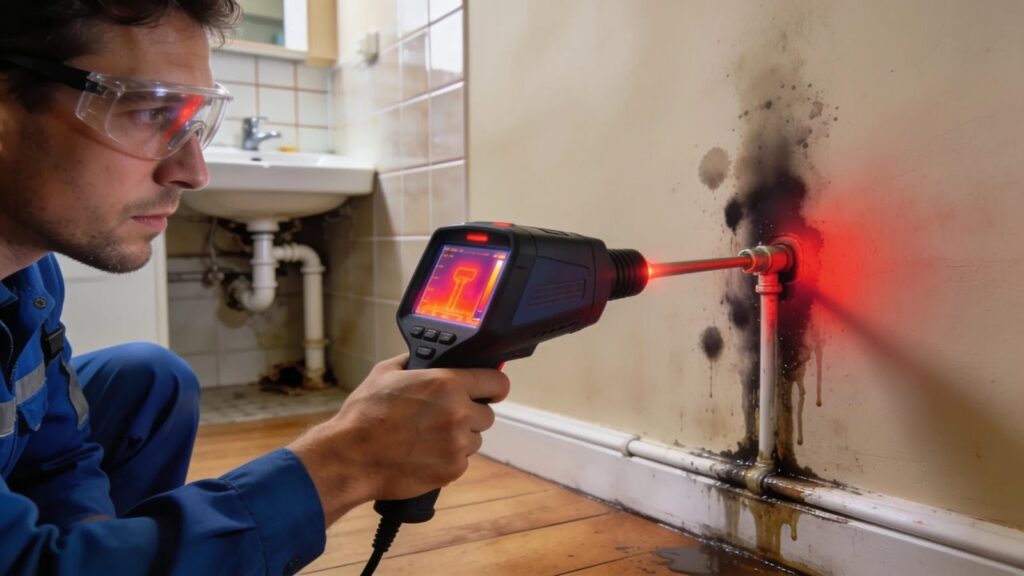
Hidden pipe issues can escalate quickly. Key symptoms include visible stains, corroded fittings, and repeated leaks, each of which warrants professional diagnosis and repair.
- Water Stains: Discoloration on ceilings or walls often points to internal leaks.
- Corrosion: Old pipes may corrode and leak or burst unexpectedly.
- Frequent Leaks: Recurring leaks indicate the need for professional intervention to find the root cause.
Professional investigation prevents further deterioration and protects the property.
How Does Early Professional Intervention Prevent Emergency Plumbing Situations?
Addressing problems early reduces the likelihood of emergencies, keeps repairs less invasive, and lowers costs.
- Avoid Extensive Damage: Fixing minor leaks stops them from developing into major issues.
- Reduce Repair Costs: Early repair is often simpler and less expensive.
- Protect Property Integrity: Timely work safeguards the plumbing and the building structure.
Routine professional care helps manage risk and maintain system condition.
What Emergency Plumbing Solutions Can Professionals Provide When Warning Signs Appear?
Emergency services quickly limit damage and restore function for burst pipes, severe clogs, and leaks.
- Immediate Repairs for Burst Pipes: Rapid repair prevents widespread water damage.
- Clogged Drains Solutions: Methods like hydro-jetting clear severe blockages efficiently.
- Leak Detection Services: Advanced tools pinpoint leaks to reduce repair impact.
Having a reliable emergency plumber ensures fast action when problems threaten your home.
How Do Experts Respond to Sudden Plumbing Failures and Leak Emergencies?
Professionals focus on fast diagnosis and stabilising the situation to reduce disruption.
- Quick Diagnostics: Specialized tools enable rapid identification of the issue.
- Immediate Remediation Steps: Experts take swift actions to contain and repair problems.
- Professional Tools: Advanced equipment reduces repair time and impact.
Experienced technicians restore function quickly and efficiently.
What Maintenance Practices Can Help Prevent Future Emergency Plumbing Needs?
Preventative maintenance extends system life and lowers emergency calls. Regular checks and simple upkeep make a measurable difference.
- Regular Inspections: Routine checks identify potential issues early.
- Drain Maintenance Tips: Use drain screens and periodic cleaning to prevent clogs.
- Monitoring Water Bill Trends: Tracking bills helps spot leaks early.
Consistent maintenance and timely professional support reduce the chance of sudden failures.
Frequently Asked Questions
1. How can I tell if I have a plumbing leak in my home?
Look for damp patches, mould, unexplained bill increases, running water sounds when fixtures are off, or pooling near appliances. If suspected, arrange a professional inspection.
2. What should I do if I experience sudden low water pressure?
Check whether it affects one fixture or the whole house. If widespread, shut off the main supply as a precaution and call a certified plumber to diagnose leaks, blockages, or supply issues.
3. How can mineral buildup in pipes be prevented?
In hard-water areas consider water-softening options and scheduled descaling. Regular inspections can catch deposits before they restrict flow.
4. What are the risks of ignoring plumbing issues?
Ignored faults can cause structural damage, mould, and rising repair bills. Small leaks can worsen quickly; prompt professional attention reduces these risks.
5. How often should I schedule professional plumbing inspections?
Annual inspections are recommended for most homes; older systems or properties in hard-water areas may need more frequent reviews.
6. What are some DIY methods to clear a slow-draining sink?
Try a plunger, baking soda and vinegar, or boiling water for minor clogs. If flow is not restored, contact a professional to clear deeper blockages safely.
7. When is it necessary to call an emergency plumber?
Call immediately for burst pipes, major leaks, flooding, loss of running water, or sewage backups—these pose serious damage and health risks and need prompt intervention.
Conclusion
Recognising issues early protects your home and reduces repair costs. Engage professional plumbers at the first sign of trouble to safeguard your property and restore reliable water service—schedule an inspection before a minor problem escalates.